Housing Guides
Online casino use in shared housing: Privacy, household budgets and digital boundaries
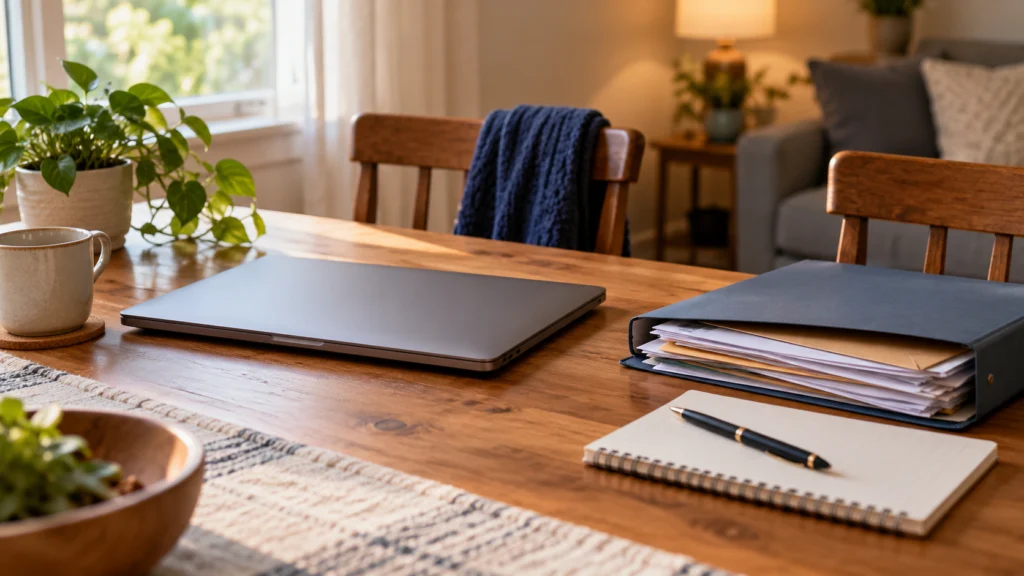
Shared housing makes private digital activity part of a wider household environment. An eligible adult who chooses to use an online casino should not expose others to account access, financial pressure or disrupted routines. Privacy and secrecy are different: protecting credentials does not justify hiding effects on shared bills.
Separate personal access from household devices
Use an individual account and protect credentials. Get Cyber Safe recommends unique passwords or passphrases and trusted login routes. Do not share a casino account as a way to make a communal device convenient.
Sign out and keep payment information away from children and other users. Avoid displaying gambling balances on shared televisions or leaving an app open on a tablet used for ordinary household tasks.
| Area | Practical boundary | Concern to notice |
|---|---|---|
| Bills | Essential shared commitments come first | Gambling money taken from a joint payment |
| Devices | Individual access and signed-out sessions | Others can reach an adult account |
| Time | Household tasks and quiet periods remain protected | Play displaces responsibilities |
| Conversation | Discuss actual shared effects | Privacy used to dismiss unpaid commitments |
Keep gambling optional and personal
Do not ask housemates to lend money, join a promotion or accept a wager as payment for an expense. A casino result is uncertain and should not become part of the rent plan. People who do not gamble should not need to explain their choice.
Set a personal time and spending boundary in advance if you choose to play. Do not raise it to chase losses or continue because another person is still online. Not gambling avoids gambling losses entirely.
- Keep account and payment credentials private.
- Protect rent, utilities and other shared obligations.
- Do not pressure housemates to participate or lend.
- Discuss concrete household impacts calmly and seek support when harm appears.
Take the wider pattern seriously
CAMH notes that gambling can affect relationships, daily activities and health as well as money. A housemate may raise a valid concern about sleep, noise or repeated missed tasks even without seeing the account balance.
If stopping becomes difficult, use appropriate specialist support rather than treating a new password or a private room as the solution. Shared-household agreements can clarify responsibilities, but they do not treat a gambling problem.
Questions and answers
Does privacy mean no one can raise concerns?
No. Personal credentials should stay protected, but shared bills and responsibilities remain legitimate topics for discussion.
Can casino winnings be included in rent planning?
Do not rely on uncertain gambling outcomes for essential commitments. The household needs a plan independent of play.
Should housemates share one casino login?
No. Keep personal accounts and credentials separate, and follow applicable eligibility and account terms.
Sources: getcybersafe.gc.ca; camh.ca.